
Posted on 03/09/26
A Message of Faith From Rabbi Yitzchak Biton
Rabbi Yitzchak Biton and his wife Tamar lost three of their children in last week’s missile strike in Beit Shemesh: Yaakov, Sarah, and Avigail, of blessed memory.
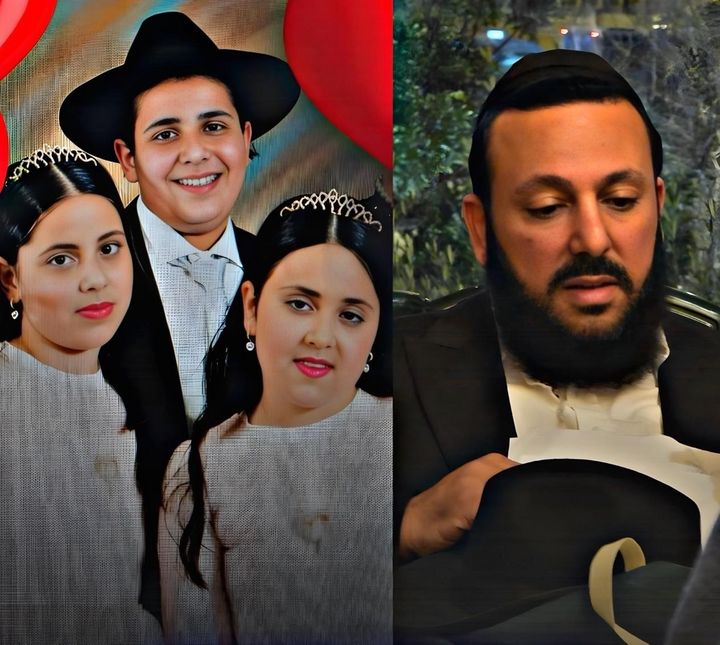
Yesterday I was at the Grand Court Hotel in Jerusalem, where hundreds of people came to comfort the family. Most of them had never met the Bitons personally. Many words of encouragement were shared there. I would like to share one thought from the bereaved father, Rav Yitzhak Bitton:
“People speak to me about Akeidat Yitzchak. Chazal teach that this is what gives us strength. All of our patriarchs and matriarchs endured trials. And because they are the foundation of our nation, and we are continuing their path, each one of us has inherited their strength. We have received from them faith, love, joy, kindness as well as their self-sacrifice and the ability to overcome adversity.
“I heard a fitting analogy: A train cannot travel without tracks. The patriarchs of our nation are the tracks. We are the train moving along the path they already laid. Every Jew carries an inheritance from our holy Avot. Knowing that they faced difficulties and tests, and succeeded in standing strong, gives us strength as well.”
The test facing the Biton family is unimaginable. Yet many people in the room yesterday nodded in agreement. Each person drew strength for the challenges in his or her own life.
A Moment of Clarity
This past Purim, I received a message from Shimon Elkabetz, the former commander of Army Radio, and his wife Anat: “Yes, this year, too, we are celebrating Purim in Kfar Aza.”
Their daughter Sivan was murdered in the kibbutz on October 7, while they were sheltering in the safe room of their nearby home. Thousands have already visited “Sivan’s House,” the powerful memorial site they established there.
On the first Purim after the massacre, they decided to celebrate right there, inside the ruins. Since then, it has become a tradition.
“This is our third Purim here,” Anat began, surrounded by other bereaved families, friends, and guests who had come to hear the reading of Megillat Esther precisely in that place. “In the first year, we stood here and mostly heard explosions from Gaza. In the second year, we heard our heroes fighting in Gaza; and this year Iran is about to fall, sending missiles even here. But they will not defeat us.”
Anat continued: “On October 7 they came to murder us because we are Jews. We must never forget that. Yotam Chaim, who was kidnapped from here—he wasn’t kidnapped because he was Yotam. It’s not about ‘the residents of the Gaza border communities.’ It’s not about who we are personally. It’s about who we are nationally. We were chosen. And that means we have a responsibility.
“We are responsible for choosing correctly, every day. We are Jews, and we have so much to do in this world.
“Only if we understand the bigger story will we win it. In every generation they try to destroy us, and we stand strong and determined. There is no cure for the pain; our daughter was murdered here. But there is clarity. A clear feeling that we are messengers.”
Then Rabbi Moshe Shachor began reading the Megillah. Last week it sounded like the most up-to-date commentary on the current situation.
Remembering Rabbi Shlomo Zalman Auerbach, zt'l
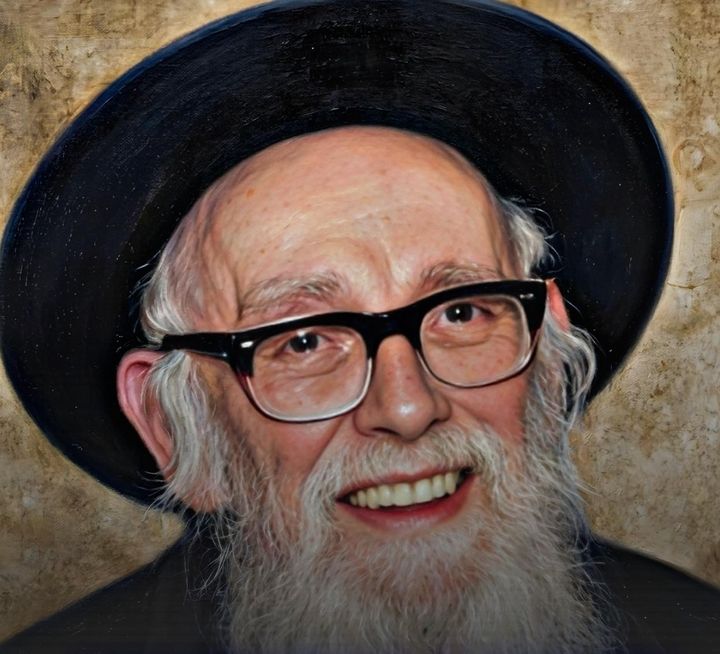
The 20th of Adar marked 31 years since the passing of Rabbi Shlomo Zalman Auerbach, zt”l, one of the great Torah scholars and halachic authorities of his generation, widely known not only for his brilliance but also for his warmth and humility. Here are two of the most beautiful stories I’ve heard about him. Each of us can learn from his example:
Rabbi Yonatan Bilt shared: “As a child growing up in the Shaarei Chesed neighborhood of Jerusalem, we had the privilege of living near Rav Shlomo Zalman. One time I came to ask him whether a certain game was permitted on Shabbat. The Rav didn’t say ‘permitted’ or ‘forbidden’ right away. First, he played the new game with us and enjoyed it together with the children. He always gave you a sense of partnership, and a sense that you mattered. A small child asking a question about a game deserved to be taken seriously.”
Rav Shlomo Zalman would say that acts of kindness should not be left to chance; we should actually set aside dedicated time for them. Just as prayer and Torah study have fixed times that we allocate for them, so too should helping others: studying with someone who is struggling, visiting the sick, and similar acts. He himself devoted much time to this, and also thought carefully about how to help each person in the most appropriate way.
Leap Ahead
Next Wednesday evening we will welcome Rosh Chodesh Nissan. With pre-Pesach cleaning in full swing, here are a few encouraging words from Rabbi Menachem Brod:
“The Hebrew name for Pesach comes from the word pesicha which means skipping or jumping. Among all the technical preparations for this holiday, let’s not forget its secret message: that we have the power to leap over every obstacle, to save ourselves and be redeemed. So it was at the time of redemption from Egypt. Right before our deliverance, we were slaves with no idea how our situation could ever change, and a moment later we had left slavery for freedom.
Sometimes history moves forward gradually, ever so slowly, and sometimes — as happened on Pesach — there is a sudden thrust that leaves the old reality behind as we leap ahead. Everything surprises us in the best possible way. We break through and step forward into a completely new reality.
The month of Nissan and the holiday of Pesach give us the strength to make this leap. God helps the Jewish people, both on the individual level and on the national level, to rise to the loftiest spiritual heights and to truly change.
To paraphrase words from the Gemara: Just as we were redeemed in the past, so may we be redeemed in the days immediately ahead.